
Prevention Makes a Difference
At Malta House of Care, preventive care takes many forms—from screenings that identify concerns before symptoms appear to ongoing management of chronic conditions that can help patients avoid complications, emergency room visits and disruptions to everyday life.
These three recent patient stories show what can happen when uninsured adults have access to consistent, compassionate care.
Finding Risk Before Cancer Develops
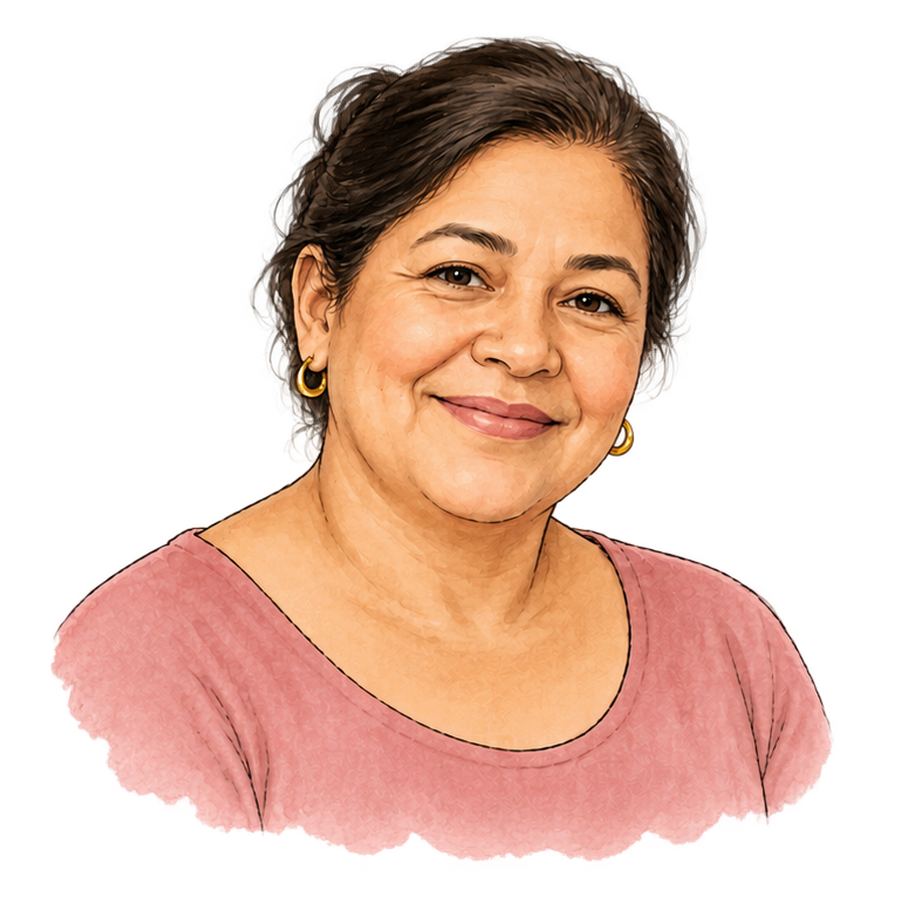
At 61, Teresa recently received her first colon cancer screening. She wasn’t experiencing symptoms, but when the results came back abnormal, Malta helped connect her with our partner Hartford Hospital for a follow-up colonoscopy at no charge.
The colonoscopy revealed multiple polyps, putting Teresa at increased risk for colon cancer. Fortunately, they were discovered through screening—before she had developed symptoms or cancer.
Her healthcare team can now be proactive. She will be followed closely and return for another colonoscopy in one year as part of an ongoing prevention plan.
Teresa’s experience is a powerful reminder of why access to routine screenings and follow-up care matters. Sometimes the most important care happens before a patient ever feels sick.
Preventing the Complications of Diabetes

When Gloria, an 80-year-old woman, first came to Malta in July 2025, she had been without medical care and off her diabetes medications for months. Her A1C was 14.8%— so high it was beyond the range of Malta’s in-house testing machine.
She was exhausted, weak and extremely thirsty, with frequent urination and painful burning in her feet—all symptoms related to her high blood sugar.
Malta’s care team started her on medication and worked with her over several visits to help her understand how everyday choices could help manage her diabetes. Gloria began adding more protein and vegetables to her diet, limiting rice, eliminating juice and soda, and walking twice a week. Malta also helped transition her to medication through a patient assistance program.
The results have been remarkable. Her A1C has fallen from 14.8% to 6.5%, her symptoms—including the burning in her feet—have resolved, and her diabetes is now controlled well enough that her medication dose has actually been reduced.
Gloria’s progress shows what can happen when access to medication, education, ongoing care—and a patient determined to make a change—all come together.
“I Have Not Felt This Good in Years”

For one longtime Malta patient, better asthma control has meant much more than breathing easier. It has helped Michael get back to his life.
Despite taking his medications as prescribed, chemical exposures at work made it increasingly difficult for the the 62-year-old Malta patient to control his asthma. By 2022, he had made six trips to the emergency room in a single year and had to take time away from work.
A Malta provider with expertise in pulmonology adjusted his medications. His asthma control improved significantly, and he was able to return to work full-time.
Since the beginning of 2023, Michael has needed just two emergency room visits for his asthma. Even more meaningful, he says he “has not felt this good in years.”
His story shows what access to consistent, expert care can mean: fewer health crises and emergency room visits—and the ability to work, feel well and enjoy everyday life.
*Patient names have been changed to protect privacy.
For Malta’s patients, access to regular primary care can mean earlier detection, fewer complications and a healthier future. For 20 years, Malta has been there to provide that care at no cost to uninsured adults throughout Greater Hartford. As we begin our next 20, your support will help ensure that even more patients have access to the screenings, treatment and ongoing care that can change, and sometimes save, lives.